![The Return of the Philhellenes to Their Common Homeland [GR]](https://images.squarespace-cdn.com/content/v1/69d01909860d6548ae992d06/1776015361710-4BPCB92JU912K3W0GRI2/Athena_appearing_to_Odysseus_to_reveal_the_Island_of_Ithaca_by_Giuseppe_Bottani.jpg)
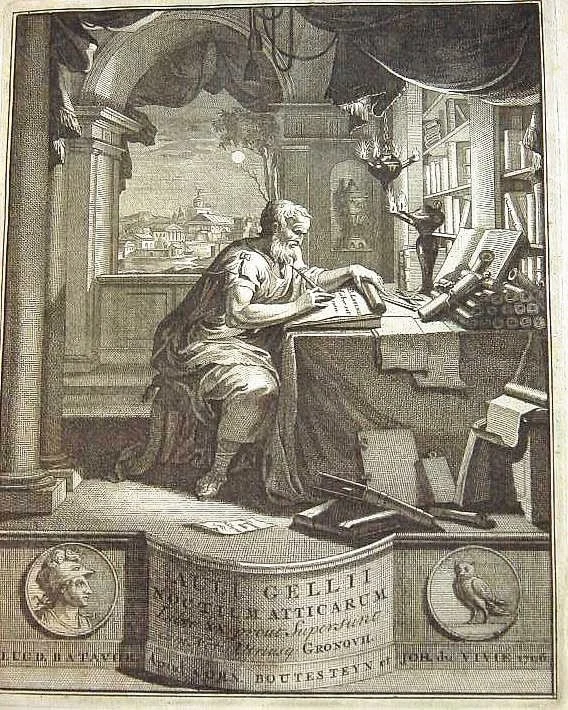
LUCUBRATIONES GELLIANAE, SIVE QUEM IN MODUM GELLIUS USUS SIT VOCABULO QUOD EST HUMANITAS ET QUANTUM INTERSIT INTER EIUS USUM ET EIUS DEFINITIONEM
The main objective of this paper is to elucidate within Aulus Gellius’ Attic Nights which – and how many – different meanings both the adjective hūmānus, –a, –um and the substantive hūmānitās have. I also analyse if the author is always consequent with the definition he himself gives in Gellius 13, 17. Finally, I also try to elucidate, based on a lexicographic perspective and following the footsteps of Beall, Holford-Strevens and Marache, if it is possible or not to talk about a Gellian Humanism.
![My Wanderings to Hellenism [GR]](https://images.squarespace-cdn.com/content/v1/69d01909860d6548ae992d06/1776015104372-X1M5TO1JK1SYAK5K2SXP/He%CC%81rcules_desvi%CC%81a_el_curso_del_ri%CC%81o_Alfeo%2C_por_Zurbara%CC%81n.jpg)
5. Conclusio Conspectusque operum adhibitorum
Explore the life and thought of the "Obscure" philosopher of Ephesus. This excerpt delves into Heraclitus’ radical departure from civic life in search of the Logos—the universal reason that governs all. From his critique of superficial learning (polymathy) to his revolutionary vision of the "hidden harmony" found within conflict, we examine a philosophy that remains as challenging today as it was in antiquity.
4. Apollo
Explore the life and thought of the "Obscure" philosopher of Ephesus. This excerpt delves into Heraclitus’ radical departure from civic life in search of the Logos—the universal reason that governs all. From his critique of superficial learning (polymathy) to his revolutionary vision of the "hidden harmony" found within conflict, we examine a philosophy that remains as challenging today as it was in antiquity.

3. Aenigmata et oracula
Explore the life and thought of the "Obscure" philosopher of Ephesus. This excerpt delves into Heraclitus’ radical departure from civic life in search of the Logos—the universal reason that governs all. From his critique of superficial learning (polymathy) to his revolutionary vision of the "hidden harmony" found within conflict, we examine a philosophy that remains as challenging today as it was in antiquity.
2. Heracliti vita, opus et doctrina
Explore the life and thought of the "Obscure" philosopher of Ephesus. This excerpt delves into Heraclitus’ radical departure from civic life in search of the Logos—the universal reason that governs all. From his critique of superficial learning (polymathy) to his revolutionary vision of the "hidden harmony" found within conflict, we examine a philosophy that remains as challenging today as it was in antiquity.
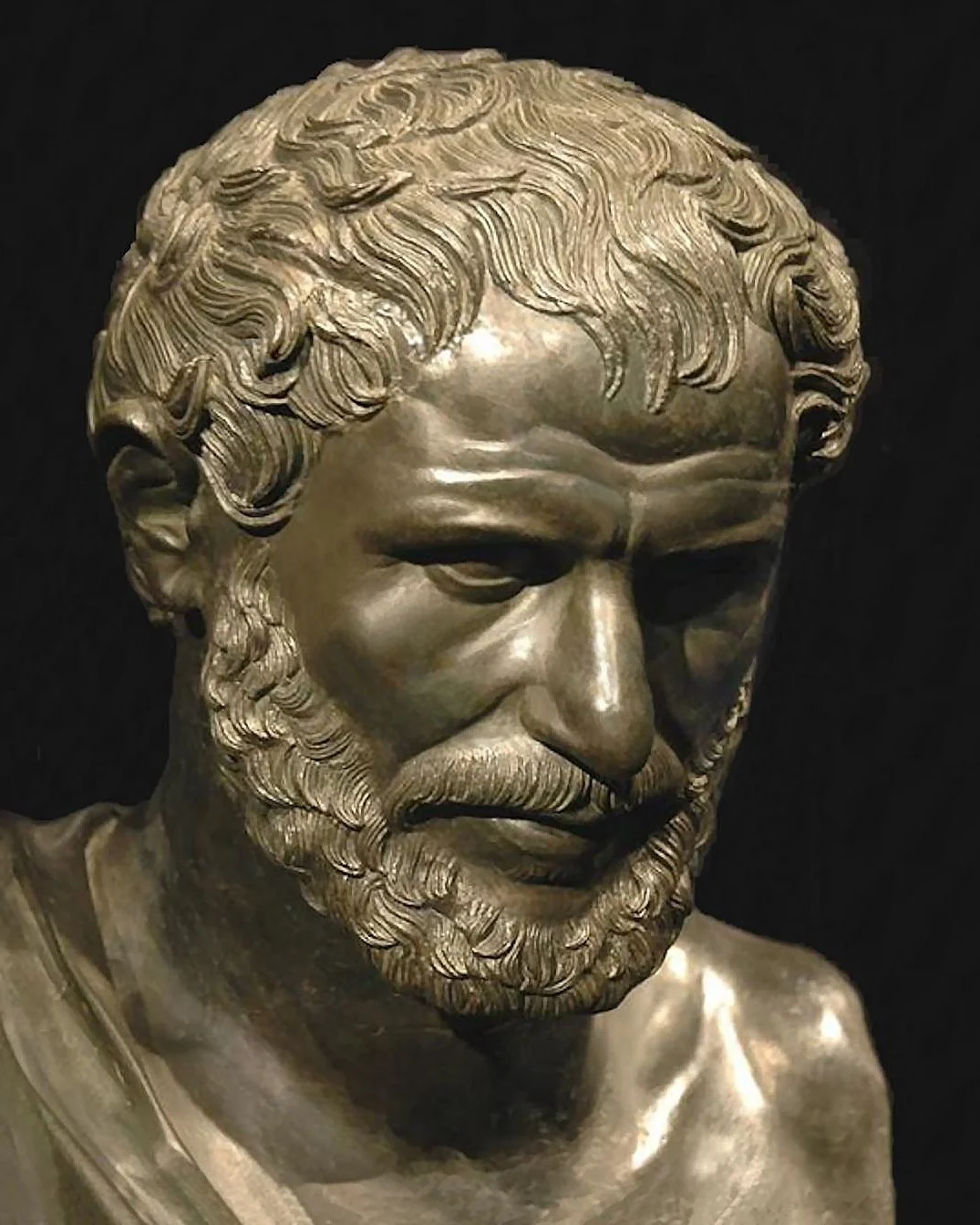
1. De Heracliti aenigmatis
Explore the life and thought of the "Obscure" philosopher of Ephesus. This excerpt delves into Heraclitus’ radical departure from civic life in search of the Logos—the universal reason that governs all. From his critique of superficial learning (polymathy) to his revolutionary vision of the "hidden harmony" found within conflict, we examine a philosophy that remains as challenging today as it was in antiquity.
Pedagogy & Method: The Active Method
Everyone can learn Latin and Ancient Greek. Classical languages are not puzzles to be decoded, but systems to be lived. Through Active Philology, we bridge academic rigor with immersive practice to foster autonomous reading. We shift from "fastidious deciphering" to a "true dialogue," where grammar reflects operational use.