 Image 1 of 1
2. Course Overview
Abstract: This foundational course introduces students to the essential grammar of Classical Latin through the Active Method. Participants engage with original passages, mastering the declinations to build a lifelong humanistic, intellectual pathway now.
Comprehensive Description: This introductory module establishes the grammatical, lexical, and communicative bedrock of Classical Latin through a rigorous inductive-contextual approach. Students navigate fundamental morphological structures—gender, number, and case inflection—without relying on passive translation or mechanical paradigm memorization. The curriculum transitions systematically from absolute zero to the functional mastery of the first, second, and introductory third declension systems. Unlike traditional methods that isolate syntax from literature, Level 1 actively integrates original unadapted Latin texts and historical realia from the very beginning. Students interlace their structural progression with the study of primary Roman entities, tracking core ideas across jurisprudence, geography, architectural treatises, and Augustan poetry.
3. Methodology & General Description
This course utilizes Hans Ørberg's Lingua Latina per se Illustrata: Familia Romana. Each twelve-week term consists of bi-weekly sessions comprising two academic hours (90 minutes total).
As a unique pedagogical counterweight to traditional rote-learning systems, our approach treats Latin as an active structural matrix. Students prepare for each session by reading 10–15 lines of the assigned narrative text. During class, these passages serve as the foundation for intensive, active drills designed to bypass mental translation and anchor the language natively:
Active Class Disputation: Students formulate and answer targeted text questions entirely in Latin.
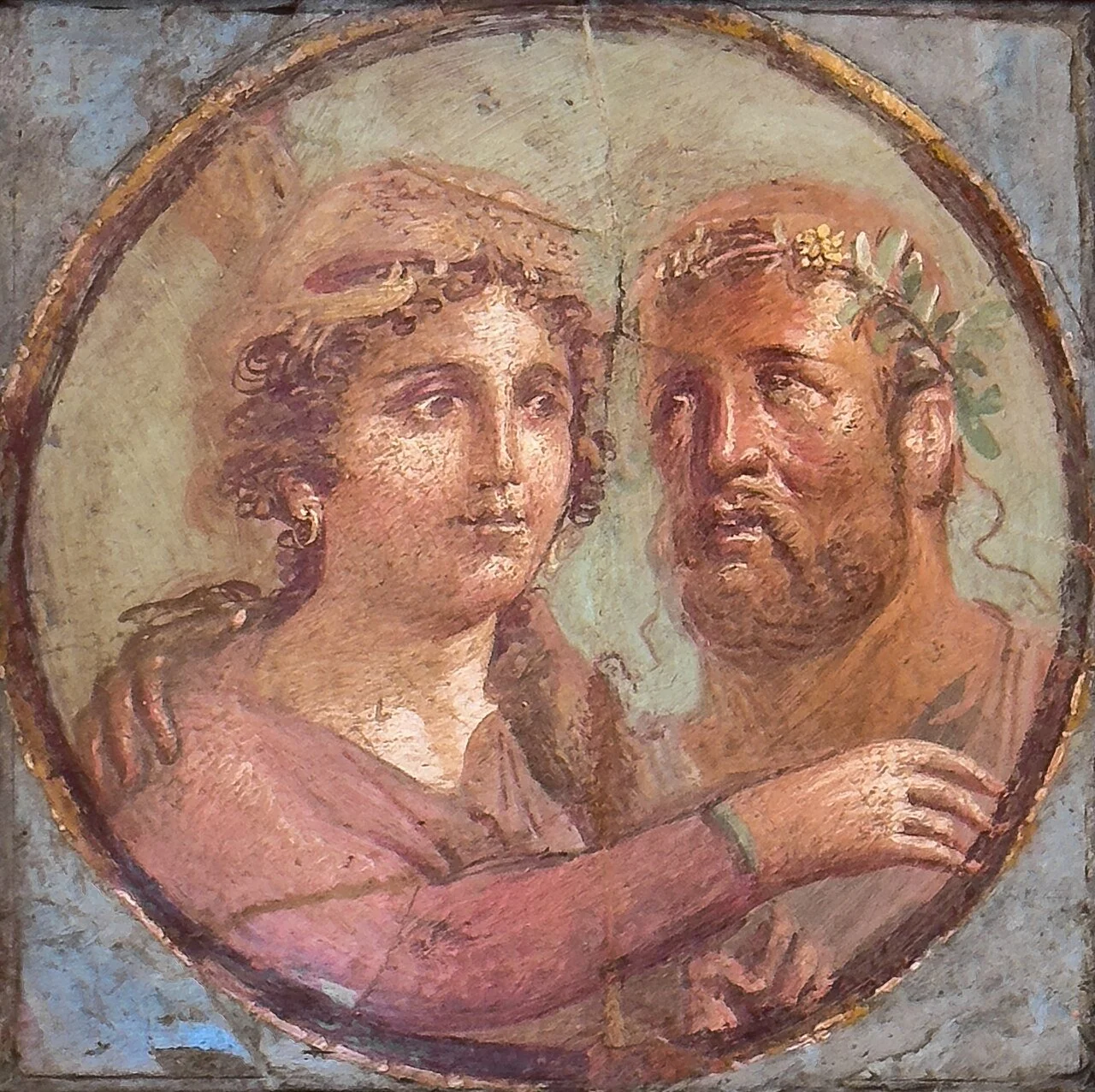
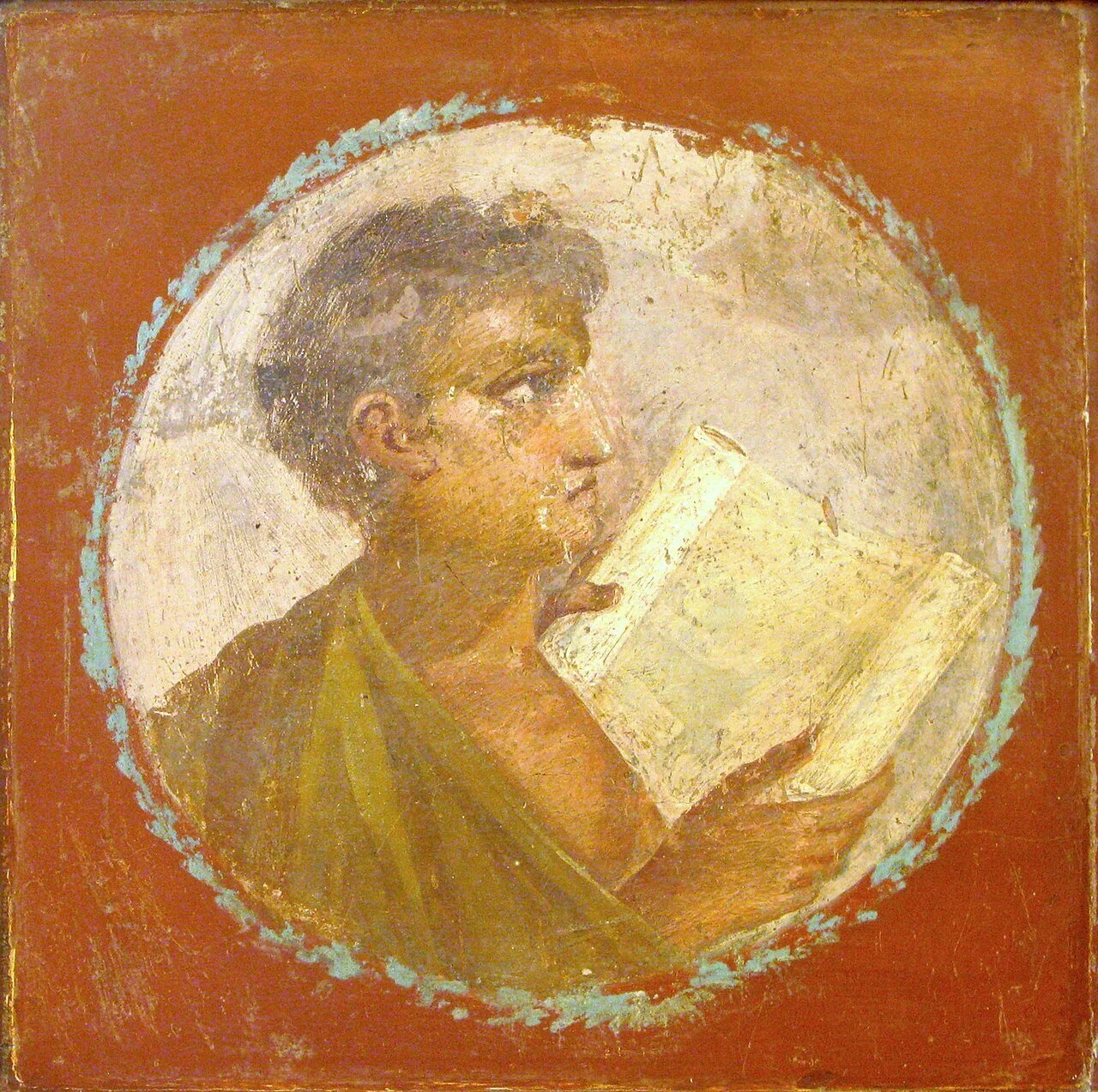
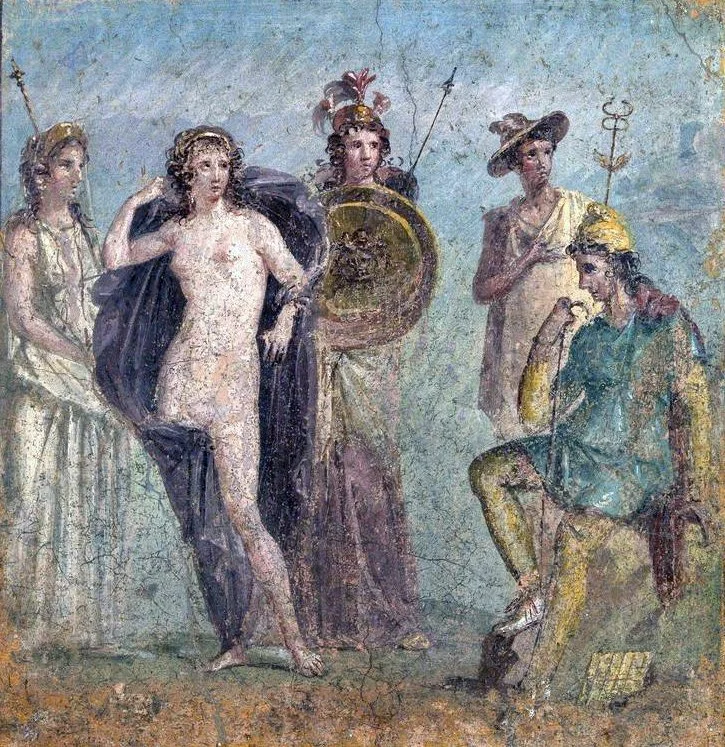
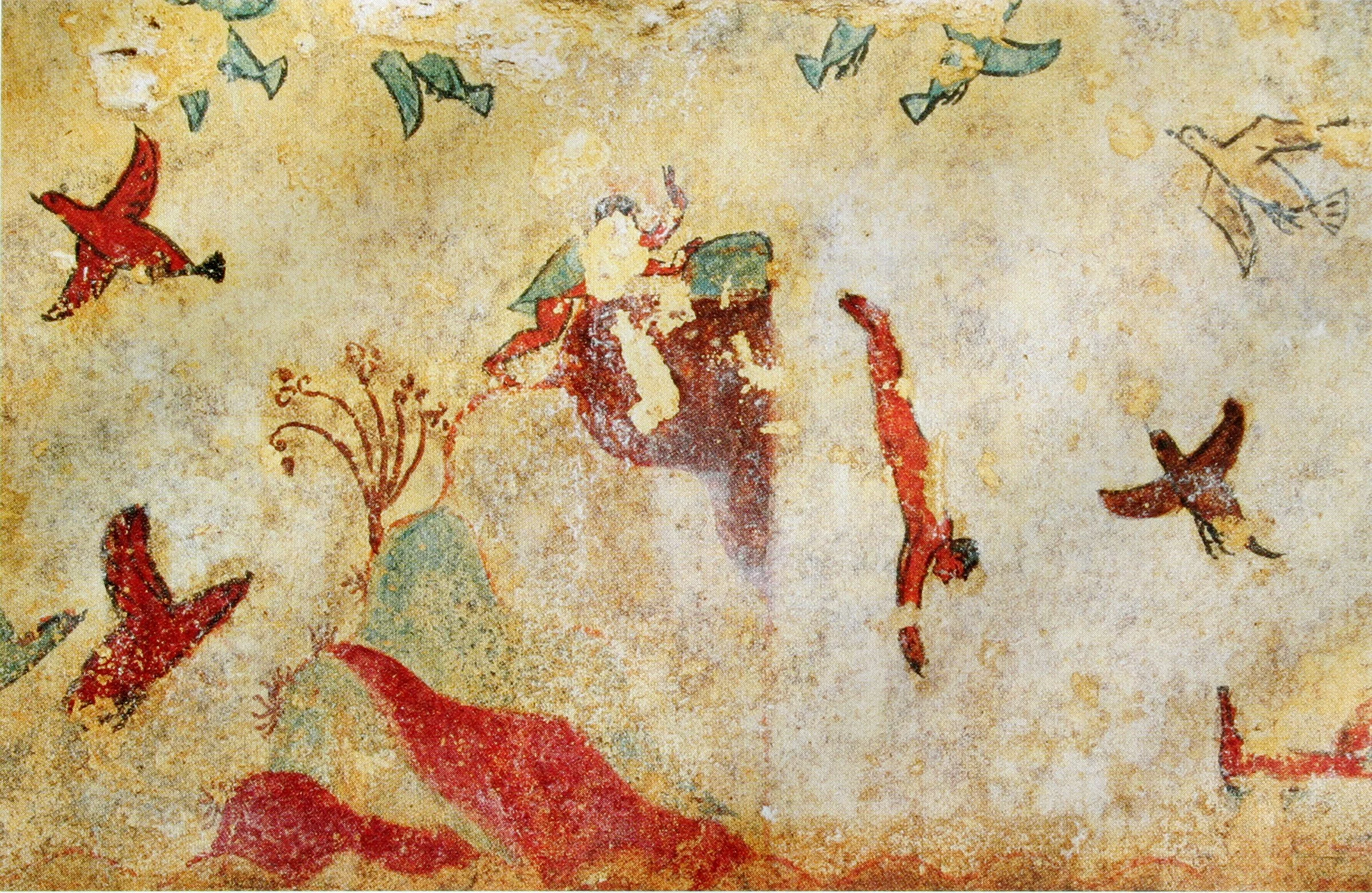
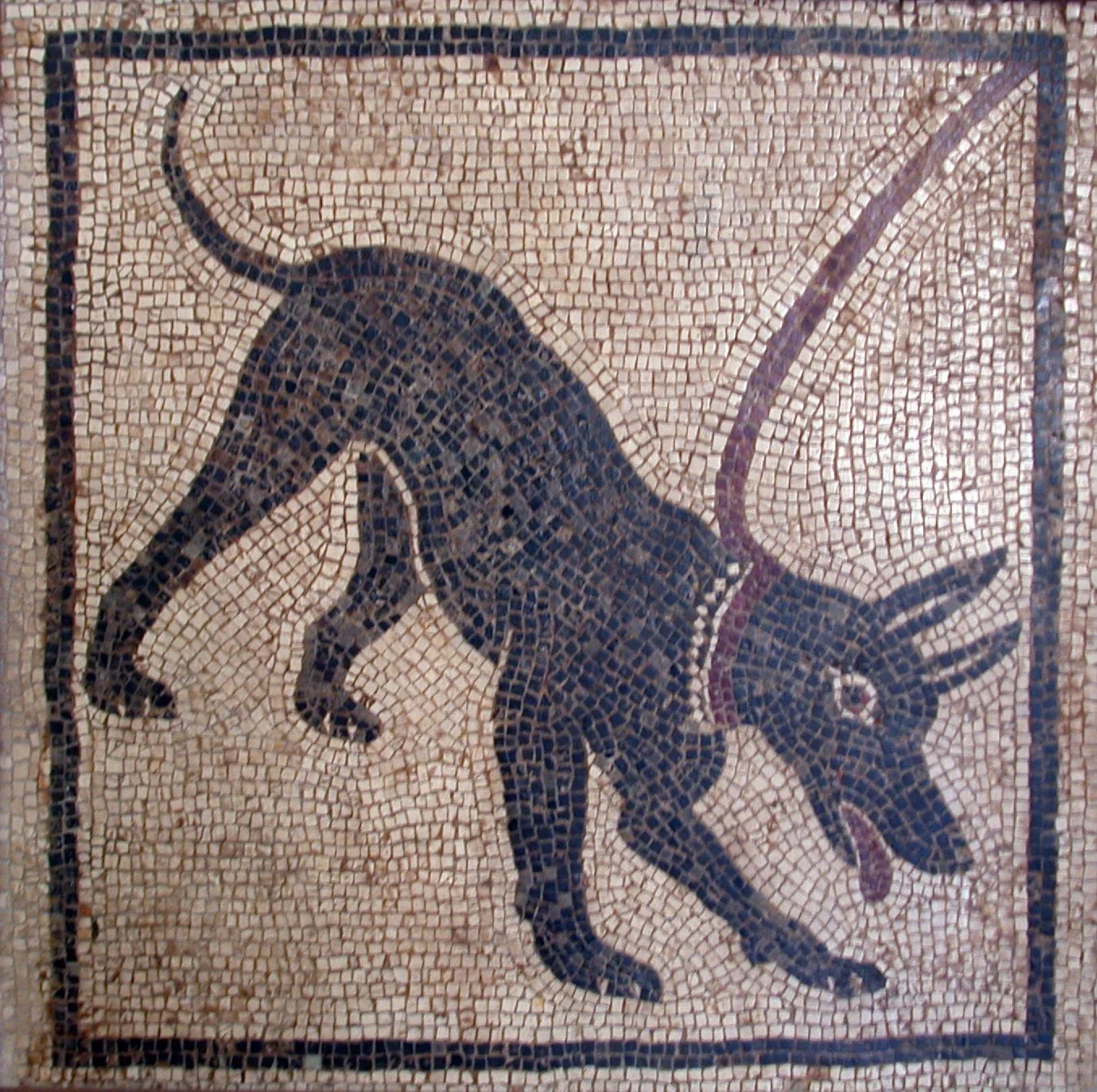
Visual Contextualization: Utilizing curated archeological imagery and material realia to map abstract case operations directly to spatial realities.
Linguistic Paraphrase: Re-engineering narrative sentences through synchronic active drills and immediate grammatical transformations.
Internalization: Gradually memorizing proverbial maxims and original verses to develop an intuitive grasp of classical prose and poetic metrics.
Through these exercises, participants acquire not only the narrative lexicon but also the metalinguistic target-language terminology necessary to discuss syntax and articulate abstract ideas in Latin itself.
4. Proficiency & Requirements
Language Level:
Framework Reference: Beginner — Level 1 (Familia Romana, Capitula I–IX).
General Description: Absolute beginners. No prior familiarity with the Latin language or its syntax is required; the development of fluid reading and structural comprehension is the primary objective.
Estimated Self-Study Time:
Time Commitment: Approximately 3–4 hours per week (including a mandatory 20 minutes of daily retention review).
Preparation: Preliminary independent reading and structural parsing of 10–15 lines from the designated chapter are required prior to each session.
5. Thematic Extensions & Classical Intertextuality
While Familia Romana provides a highly accessible, immersive narrative for early language acquisition, its chapters introduce core themes of Roman material culture, daily life, and classical thought. For students interested in expanding their research or eventually exploring the authentic, unadapted prose and poetry that define these specific historical topics, the following primary sources offer the ideal thematic extension:
Imperial Chorography & Spatial Geography:
Pomponius Mela (De Chorographia) & Plinius Maior (Naturalis Historia, Libri III–VI): The geographical frameworks and administrative maps introduced in Capitulum I (Imperium Rōmānum) directly correspond to the imperial corography of the early Roman Empire. Students interested in the ancient cartography of the Mediterranean (Mare Nostrum) and its provinces will find these treatises to be the direct historical counterpart to the chapter's layout.
Jurisprudence & Roman Domestic Law:
Gaius (Institutiones: De Personis): The legal structures of the Roman household, the parameters of patria potestas, and the stratification of legal status treated in Capitula II and IV find their objective historical codification in the works of this 2nd-century A.D. jurist. To examine the authentic legal distinctions between freedom and bondage, researchers can consult Gaius's original doctrine:
Omne autem ius quo utimur vel ad personas pertinet vel ad res vel ad actiones... summa itaque divisio de iure personarum haec est, quod omnes homines aut liberi sunt aut servi.
Stoic Ethics & Human Dignity:
Seneca Minor (Epistulae Morales ad Lucilium, Epistula 47): The domestic dynamics between masters and slaves outlined in the narrative reflect real socioeconomic tensions of the High Empire. For an authentic contemporary philosophical critique of Roman servitude and an interrogation of household hierarchies through early Imperial Stoic ethics, Seneca's letters serve as the baseline text.
Architectural Space & Realia:
Vitruvius (De Architectura, Liber VI): The physical environment of Capitulum V (Vīlla et Hortus) introduces traditional domestic spaces. To ground this terminology in formal Roman engineering and architectural theory, students can explore Vitruvius's technical descriptions of the atrium, impluvium, peristylium, and cubiculum.
Urban Commerce & Epigraphy:
Marcus Valerius Martialis (Epigrammata) & Epigraphia Pompeiana: The commercial transactions, market dynamics, and monetary systems (sestertii) depicted in Capitula VI and VIII map directly onto the archaeological realities of Roman commerce. Authentic epigraphic records from Pompeian markets (macella) and the urban satires of Martial provide the real-world historical context for these chapters.
Archaic Comic & Elegiac Echoes:
Titus Maccius Plautus, Publius Terentius Afer, & Gaius Valerius Catullus: The conversational patterns and family enredos of Capitulum III mirror the stylistic tropes of the comoedia palliata. Similarly, the emotional themes and focus on nature in Capitulum VII align conceptually with the neoteric metaphors of Catullan lyric, making these authors the natural next step for exploring Roman artistic affect.
Augustan Pastoral Poetry:
Publius Vergilius Maro (Bucolica): The agrarian ideal and rustic challenges introduced in Capitulum IX (Pāstor et Ovēs) directly echo the stylistic landscape of Roman pastoral verse. To transition from the narrative's themes to authentic classical poetry, readers can progress to Virgil's celebrated opening lines:
Tityre, tu patulae recubans sub tegmine fagi.
6. Materials & Bibliography
Required Textbooks:
Hans H. Ørberg, Lingua Latina per se Illustrata, Pars I: Familia Romana (Hackett Publishing).
Hans H. Ørberg, Exercitia Latina I (Hackett Publishing).
Recommended Auxiliary Materials:
Hans H. Ørberg, Colloquia Personarum & Latine Disco.
Roberto Carfagni, Nova Exercitia Latina, Vol. 1.
W. Sidney Allen, Vox Latina: A Guide to the Pronunciation of Classical Latin.
7. Grammatical Syllabus
Morphology: Full paradigm system of the 1st and 2nd declensions; introductory consonant and vowel alterations of the 3rd declension; gender classification (masculine, feminine, neuter); pronominal inflection (relative, interrogative, demonstrative); active present indicative verb forms across all regular conjugations; introduction to the passive voice.
Syntax: Core functional mechanics of case inflection: Nominative (subject/predicate), Accusative (direct object/prepositional destination), Genitive (possession/specification), Ablative (instrument/spatial separation); basic locative constructions; syntax of relative and interrogative pronouns.
Orthoepy & Phonology: Classical Roman pronunciation standards (pronuntiatus restitutus); syllable quantity variations (long vs. short vowels); rules of word-stress and text placement.
8. Chapter Coverage & Readings
This module covers approximately 1,146 verses of contextual narrative text (~47 verses per instruction unit):
I. Imperium Rōmānum: 55 verses.
II. Familia Rōmāna: 85 verses.
III. Puer Improbus: 95 verses.
IV. Dominus et Servī: 121 verses.
V. Vīlla et Hortus: 134 verses.
VI. Via Latīna: 142 verses.
VII. Puella et Rosa: 143 verses.
VIII. Taberna Rōmāna: 161 verses.
IX. Pāstor et Ovēs: 210 verses.