 Image 1 of 1
2. Course Overview
Abstract: These upper-intermediate lessons are designed for students who have completed Athenaze Vol. I. Participants learn to navigate the active and middle future tenses, encounter the foundational -μι verbs, and read about medicine, healing sanctuaries, and religious practices in Ancient Greece.
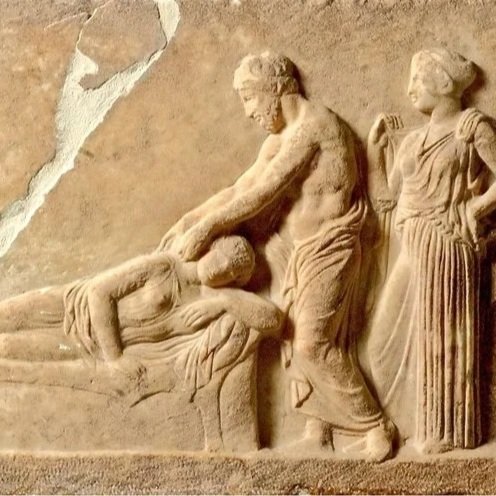
Comprehensive Description: This course introduces the active and middle future tenses in all their paradigms, alongside athematic verbs in -μι (such as τίθημι, εἶμι, and δίδωμι). Students examine historical and cultural contexts related to ancient medicine and the cult of Asclepius, using these themes to practice rewriting and paraphrasing passages. At this stage, participants begin applying simple rhetorical exercises to the course content. Utilizing classical images and illustrations related to the vocabulary, students create their own ekphrasis (detailed descriptions), compose dialogue between the characters in the text, and work on creative paragraph reconstruction. To further internalize the language, students are encouraged to read and memorize select passages from classical authors.
3. Methodology & General Description
This course utilizes the second or third English editions of Athenaze; as the variations between these editions are negligible, both are suitable for the curriculum. Each twelve-week term consists of bi-weekly sessions comprising two academic hours (90 minutes total).
As a unique pedagogical complement to the Athenaze series, our approach integrates modern communicative language learning with century-old practices inherited from late antiquity and the Byzantine era. Students are expected to prepare for each session by reading 10–15 lines of the assigned text. During class, these lines become the basis for active practice:
Active Dialogue: Students formulate and answer questions entirely in Ancient Greek, discussing medicine, historical contexts, and character choices.
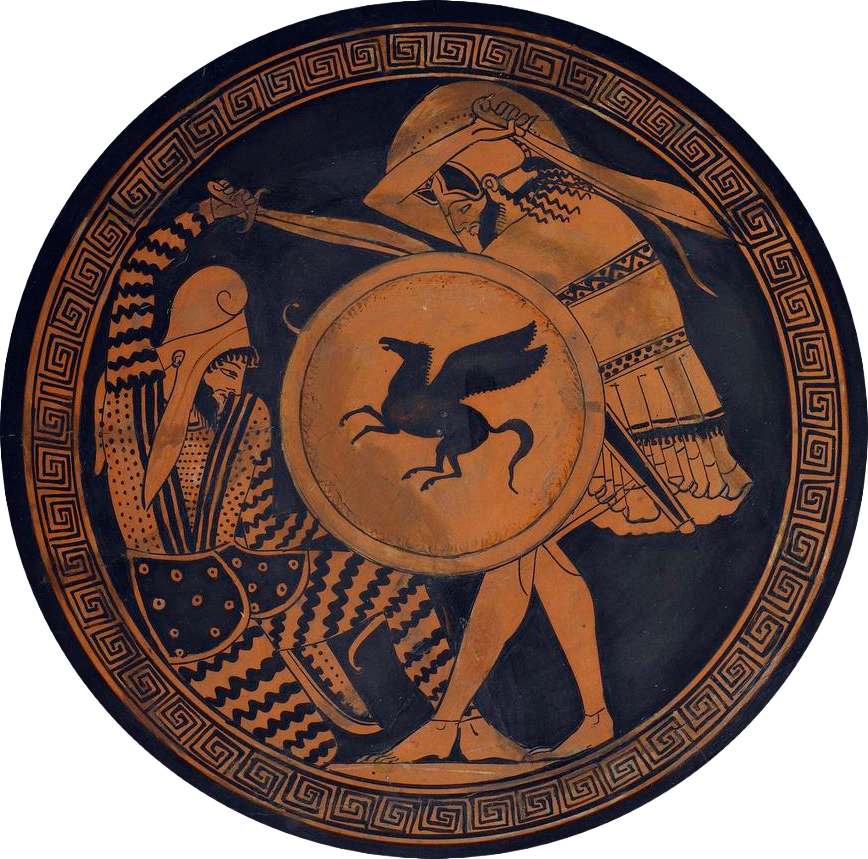
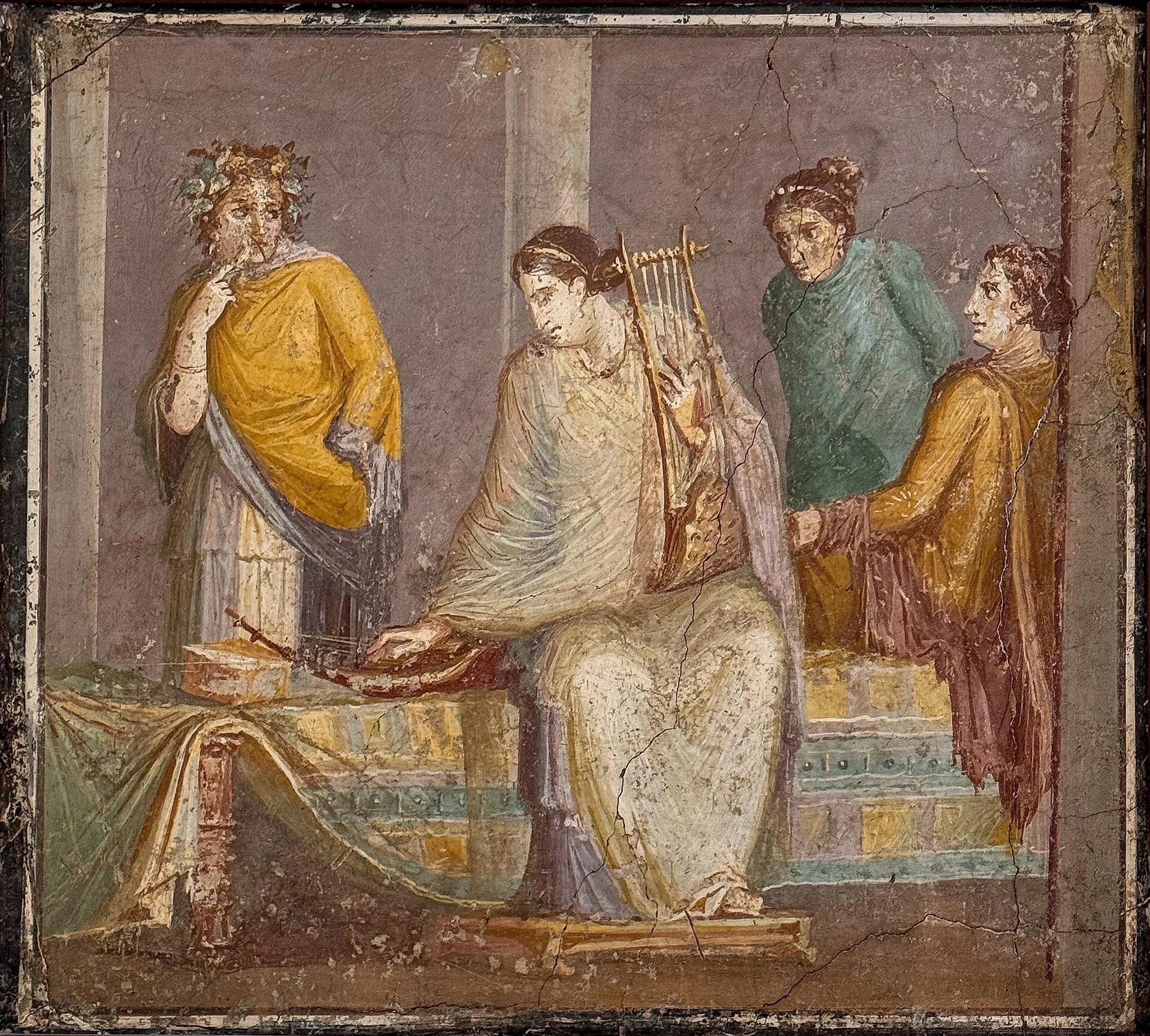
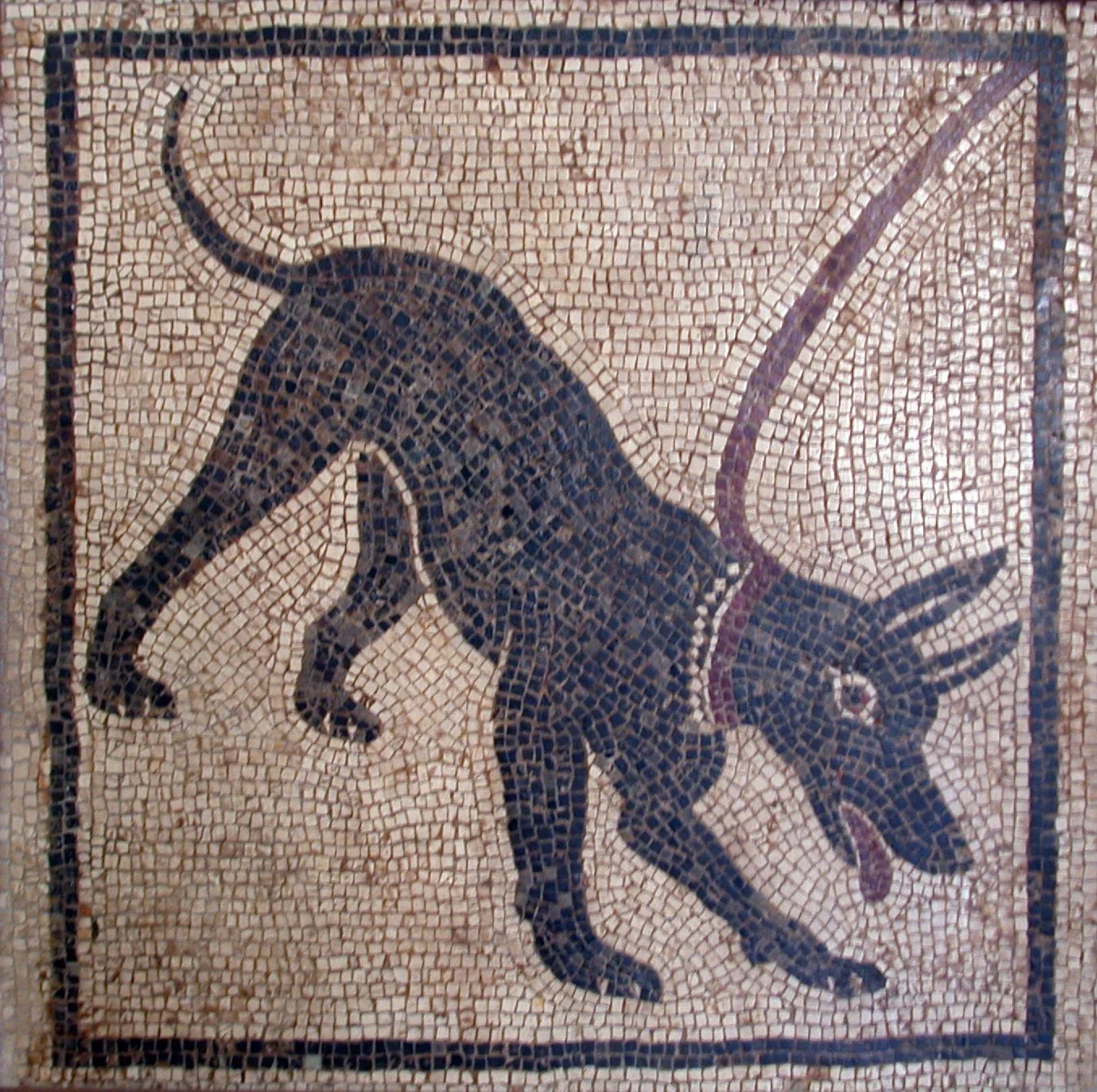
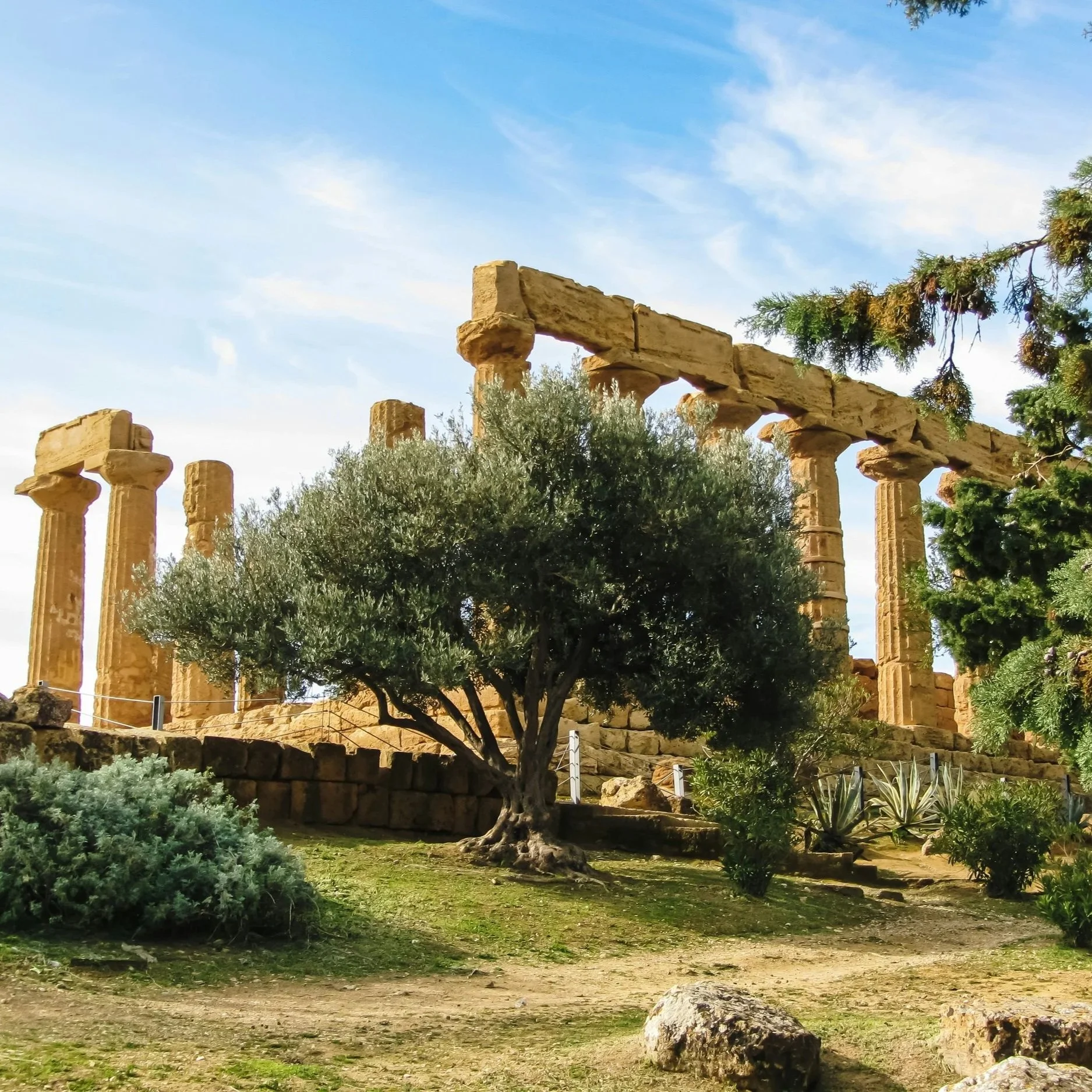
Visual Elicitation: Describing archaeological sites (like Epidaurus), classical art, and narrative imagery to bypass translation.
Linguistic Reformulation: Rewriting passages through personal paraphrases and targeted grammar drills to internalize complex structures.
Internalization: Gradually reading aloud and memorizing select narrative dialogues and original fragments to absorb the natural rhythm of the language.
Through these exercises, participants acquire not only the book’s lexicon but also the target-language terminology necessary to discuss grammatical structures and express their opinions in Ancient Greek.
4. Proficiency & Requirements
Language Level:
Framework Reference: Upper-Intermediate — Level 4 (Athenaze Vol. II, Chapters XVII–XX).
General Description: Designed for students who have read the entirety of Athenaze Vol. I or have thoroughly practiced the present and aorist systems in all thematic verbs. Participants should have an active vocabulary of approximately 1,300 words.
Estimated Self-Study Time:
Time Commitment: Approximately 3–4 hours per week (including 20 minutes of daily review).
Preparation: Preliminary reading of 10–15 lines from the assigned passage is required before each session.
5. Materials & Bibliography
Required Textbooks:
Primary Text: Maurice Balme & Gilbert Lawall, Athenaze: An Introduction to Ancient Greek, Vol. II (2nd or 3rd English Edition).
Disclaimer: Acquisition of the physical or digital edition is mandatory for course attendance. Please ensure you have your copy before the first session.
Grammatical Syllabus:
Morphology: The active and middle future tense of regular and contract verbs; liquid future forms; introduction to $-\mu\iota$ verbs (τίθημι, δίδωμι, ἵστημι, δείκνυμι, εἶμι); remaining third-declension classifications.
Syntax: Expressing future intent, purpose, and expectations; syntax of verbs of physical and spiritual healing; advanced participle structures.
Classroom Metalanguage: Continued use of grammatical terminology in Ancient Greek to analyze texts and formulate basic rhetorical descriptions (ekphrasis).
6. Chapter Coverage & Readings
This module covers approximately 291 verses of narrative text (~12 verses per session):
XVII. ἡ Ἐπίδαυρος (α-β): 83 verses.
XVIII. ὁ Ἀσκληπιός (α-β): 71 verses.
XIX. ὁ νόστος (α-β): 70 verses.
XX. ὁ νόστος (γ-δ): 67 verses.