Online courses in latin, greek, and beyond
Bridging the gap between natural language immersion and academic standards of classical philology
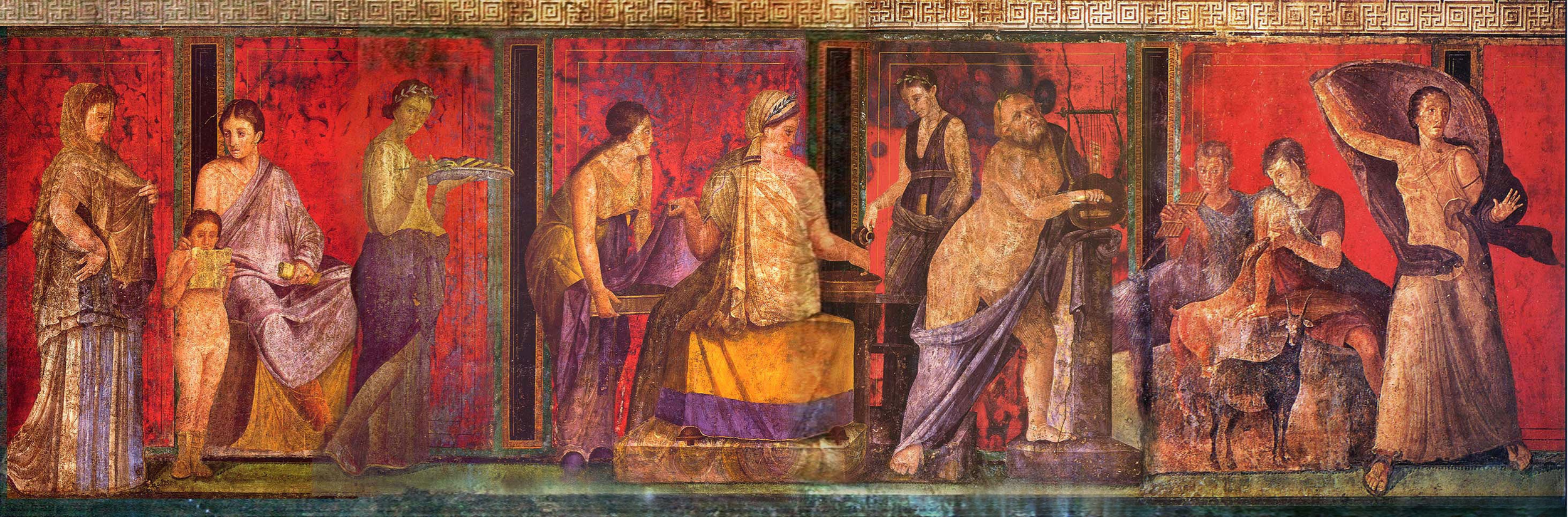
BRIDGING THE GAP BETWEEN ACADEMIC RIGOUR AND IMMERSIVE LANGUAGE METHOD IS OUR PRIMARY MISSION.
Whatever your level and whether you are learning just for passion, to prepare for further studies, or for professional development, we are here to help you achieve your language goals. Classes are carefully researched and constructed using the most advanced teaching methodologies. Our select group of teachers have years of hands-on pedagogical experience in the classroom and are eminent in their respective academic fields.
— Rogelio Toledo, President
study with us latin and ancient greek
1:1 tuition
The ideal choice if you want a personalized plan that is tailored to your goals and lifestyle.
Online Lessons
Language classes and monographic seminars to cater for all levels and different interests.
immersion trips
Meet the authors and the language where it all happened. To bring history to life on site, our trips branch out of the most common destinations to include the ancient Troy, the Homeric ….
The institutum antiquitatis
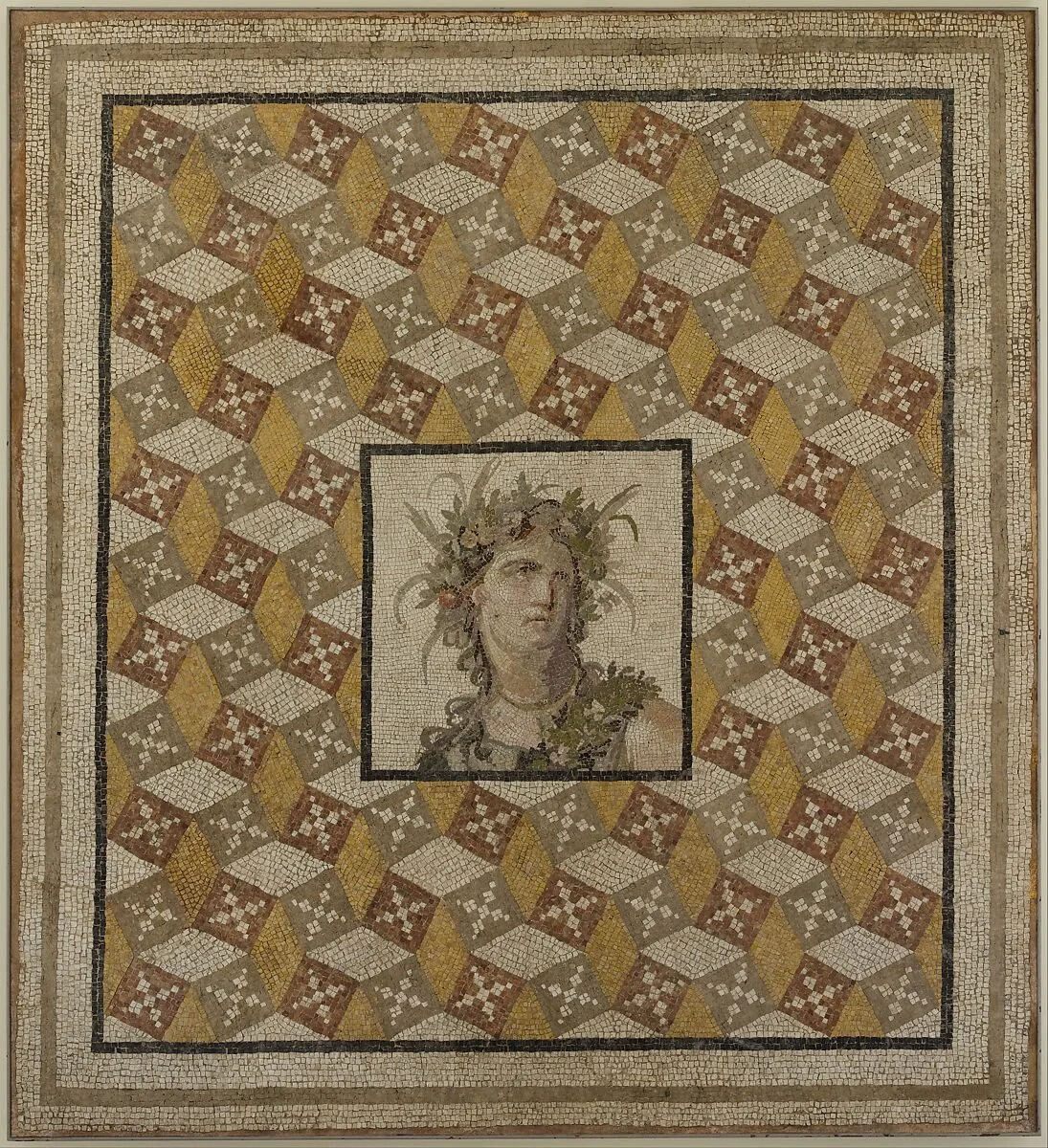
beyond translation: reading ancient literature as it was meant to be read
Original texts first
We aim to always prioritise primary sources; and if you are just starting out, to get you to read them as rapidly and immersively as possible.
Lessons are given entirely in the target language and the student is gently encouraged from lesson one to develop all 4 competences required to master a language: reading comprehension of course, but also listening, writing and speaking.
We strongly believe, as the methodology we follow has widely proven, that developing all four competencies simultaneously greatly improves language acquisition speed, language retention and a spontaneous, enjoyable understanding of the texts without relying on vocabulary - allowing us to read the words of the ancient writers as our predecessors used to.
language as a gateway to culture
Our classes are taught not only to facilitate language proficiency, but to a provide deep and wide cultural understanding of the authors we read. Background information to shed light on the texts is always provided so the students gain, as they progress in their language mastery, a solid understanding of the history, culture and philosophy that generated these works.
An interdisciplinary approach is the core of our curriculum, where visual arts, architecture, music, prose, poetry, theatre, archeology and popular culture all come together to bring to life the ancient world in all its complexity and depth.
about our classes
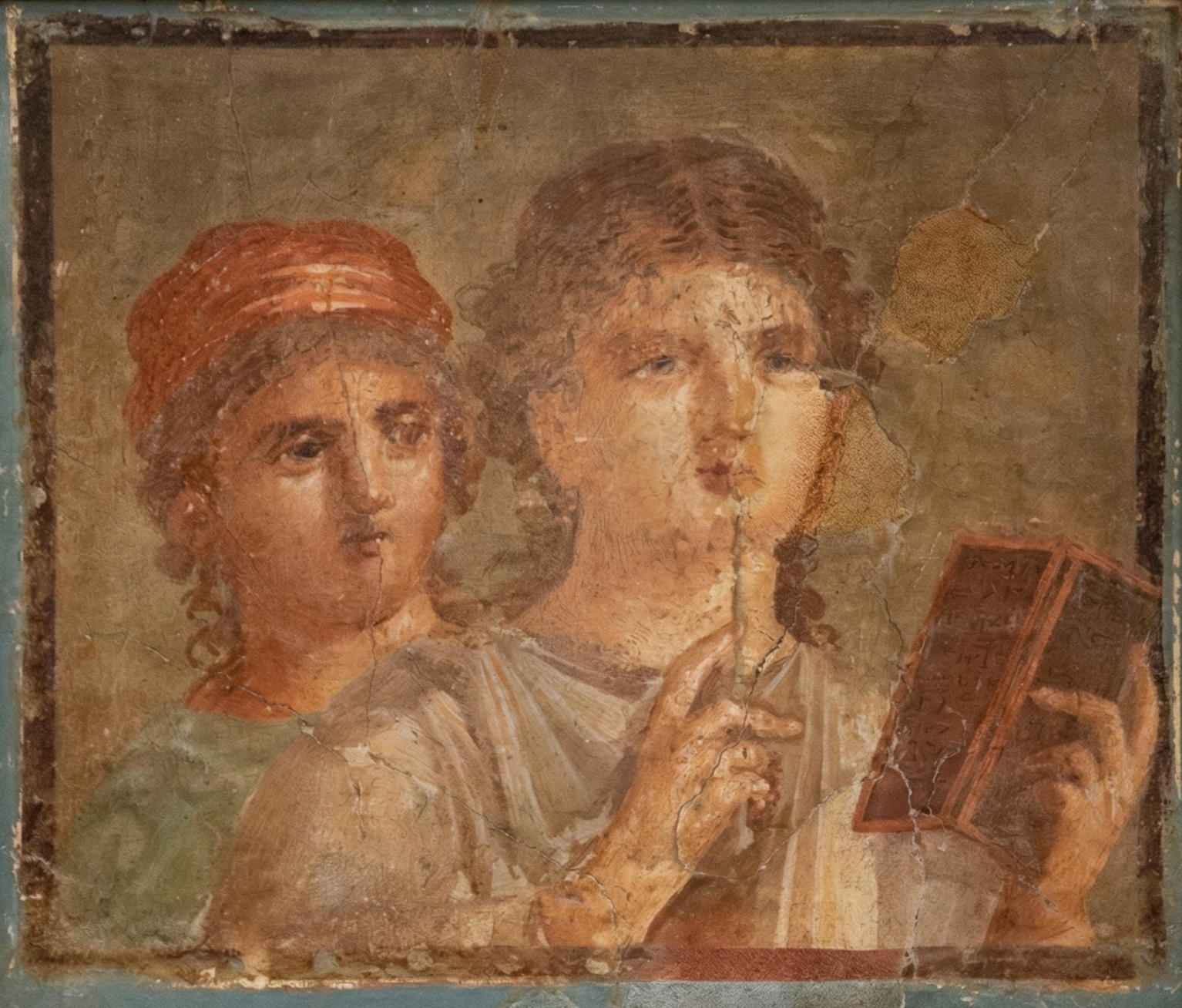
Our classes are kept small to allow every student ample opportunities to practise the language, ask questions and receive individual attention. Our teachers are experts in their field and have many years of teaching experience using the immersive method. The syllabi are vetted and peer reviewed by our panel of experts and undergo constant, strict scrutiny before the course is proposed and while it is being taught.
As a nonprofit, we are able to supplement every course with guided exercise groups, conversational practice sessions, and additional student support — all included in the course fee.
We welcome students of any level, age, nationality, credo, and ethnicity in a nurturing and inclusive environment.
If you would like to know more about the pedagogical methods and the pronunciations we use, you can find more information here.
Blog
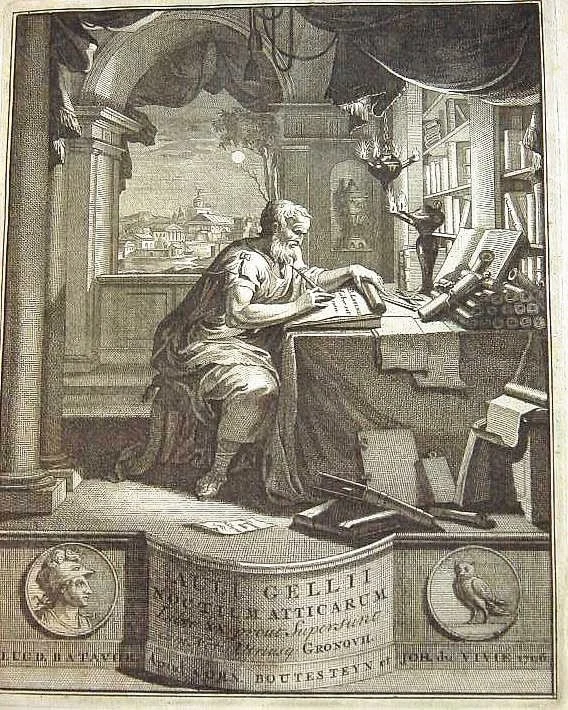
![The Return of the Philhellenes to Their Common Homeland [GR]](https://images.squarespace-cdn.com/content/v1/69d01909860d6548ae992d06/1776015361710-4BPCB92JU912K3W0GRI2/Athena_appearing_to_Odysseus_to_reveal_the_Island_of_Ithaca_by_Giuseppe_Bottani.jpg)
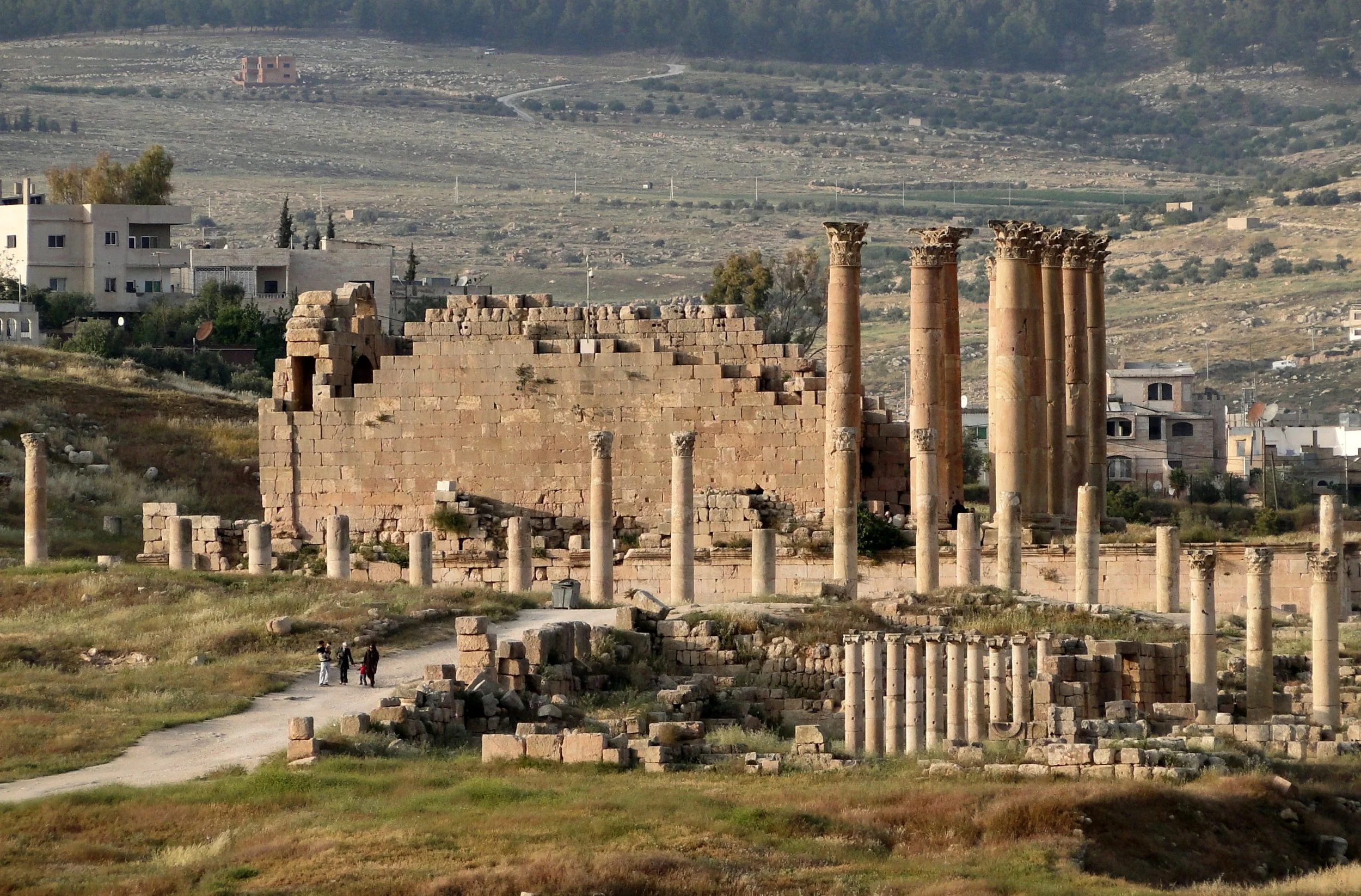
![My Wanderings to Hellenism [GR]](https://images.squarespace-cdn.com/content/v1/69d01909860d6548ae992d06/1776015104372-X1M5TO1JK1SYAK5K2SXP/He%CC%81rcules_desvi%CC%81a_el_curso_del_ri%CC%81o_Alfeo%2C_por_Zurbara%CC%81n.jpg)
we support academic and educational research
A portion of every course fee supports our broader educational mission. As we grow, we aim to fund original scholarship, high-quality instructional materials, and digital humanities projects that advance the study of the ancient languages — work vetted by our board and academic leadership for its contribution to public benefit.
As a nonprofit, we are also committed to access: we reserve one free enrollment in every course section for a student who would not otherwise be able to participate. We are committed to compensating our instructors fairly, keeping our programs accessible, and building the institutional infrastructure that sustains serious classical education over the long term.